
What does a home inspector look for when you buy a house in Eastern Idaho? It’s one of the most common questions buyers ask before their first walkthrough. A home inspection can reveal costly problems before you sign on the dotted line. For buyers in Idaho Falls, Rexburg, and surrounding communities, understanding the inspection process matters. It helps you negotiate with confidence and avoid surprises after closing.
- What Is a Home Inspection and Why It Matters in Idaho
- Roof, Exterior, and Foundation: What Inspectors Check First
- Inside the Home: Systems and Rooms Inspectors Review
- Common Issues Home Inspectors Find in Eastern Idaho Homes
- What Happens After the Inspection Report Arrives
- Frequently Asked Questions
- Work With a Local Eastern Idaho Real Estate Expert
- Know What a Home Inspector Looks For Before You Make an Offer
What Is a Home Inspection and Why It Matters in Idaho
A home inspection is a visual examination of a property’s condition. A licensed inspector checks the major systems, structure, and safety features of the house. Most purchase contracts include an inspection contingency period, often seven to ten days. During that window, you can back out or negotiate if the inspector finds serious issues.
Idaho is a non-disclosure state, so sellers aren’t required to volunteer information about a property’s history. That makes the inspection even more important here than in disclosure states. For more on how that affects your purchase, check out this Idaho non-disclosure state guide before you make an offer.
Idaho doesn’t require inspectors to hold a state license, so it pays to check credentials yourself. Look for inspectors who belong to a professional organization, such as ASHI or InterNACHI. Ask for sample reports and recent references before you hire one. A thorough inspector walks you through the findings in person, not just a stack of paper.
Roof, Exterior, and Foundation: What Inspectors Check First
Inspectors usually start outside. They look at the roof for missing shingles, worn flashing, and signs of past leaks. Eastern Idaho’s heavy winters can be hard on roofing, so hail damage and ice dam wear are common findings. Inspectors also check gutters, downspouts, and how well the yard drains away from the foundation.
Grading matters more than most buyers realize. If soil slopes toward the house, water can pool near the foundation. Over time, this leads to cracking, settling, or a damp basement. Inspectors flag grading issues so you can address them before closing.
Next, they examine the foundation itself. Cracks, settling, and moisture intrusion all get noted in the report. Inspectors check siding, windows, and exterior doors too. They look for gaps, rot, and poor sealing that could let in cold air or water.
Inside the Home: Systems and Rooms Inspectors Review
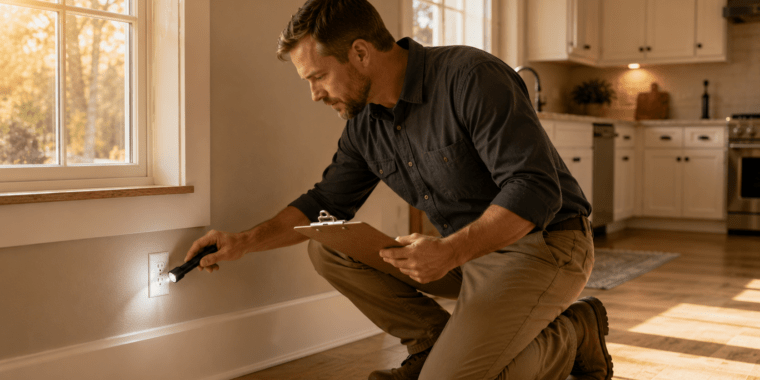
Once inside, the inspector moves room by room. They test outlets, switches, and the electrical panel for safety issues. They also run water at every fixture and check the water heater’s age and condition. Older Eastern Idaho homes sometimes have outdated wiring or plumbing that needs an upgrade.
Heating systems get special attention in this climate. Furnaces here work hard for months at a time, so a failing unit can mean a costly winter surprise. Inspectors check the age, condition, and venting of the furnace. They also note the water heater’s remaining lifespan.
A typical inspection covers these areas:
- Electrical panel, wiring, and outlet safety
- Plumbing, water heater, and visible leaks
- Heating and cooling systems, including furnace age and function
- Attic insulation, ventilation, and signs of moisture
- Windows, doors, and interior finishes
- Kitchen and bathroom fixtures and connections
Inspectors also crawl into attics and, when accessible, basements or crawl spaces. They’re looking for insulation gaps, pest activity, and any sign of past water damage. Each finding gets photographed and included in the final report.
Common Issues Home Inspectors Find in Eastern Idaho Homes
Some problems show up more often in this region than elsewhere. Aging furnaces struggle with our long, cold winters, so inspectors pay close attention to heating system age. Frozen and burst pipes are another common issue in homes with poor insulation. Basement moisture is common too, especially in older neighborhoods with older drainage systems.
Rural properties around Rexburg and Idaho Falls often rely on private wells and septic systems. Inspectors note the location and condition of these systems, though a full evaluation usually requires a separate specialist. Buyers considering acreage should budget for these add-on inspections. Septic and well issues can be expensive to fix, so catching them early matters.
Newer construction isn’t immune either. Builders sometimes rush finishing work, and inspectors catch issues like improperly installed handrails or unfinished grading. If you’re weighing a new build against an existing home, this guide to new housing developments in Eastern Idaho breaks down what to expect from each option.
What Happens After the Inspection Report Arrives
Once you receive the report, you have options. You can ask the seller to make repairs before closing. You can request a credit toward the purchase price instead. In some cases, buyers choose to walk away if the issues are too serious or costly to fix.
Some buyers also schedule a re-inspection after repairs are complete. This confirms the work meets an acceptable standard before closing. A re-inspection typically costs less than the original visit and takes less time. It’s a smart step whenever major systems needed repair.
Your agent will help you decide which route makes sense. Therefore, it’s worth discussing your priorities with them before the inspection even happens. If you haven’t started the financing process yet, these steps to get pre-approved for a home loan are worth reviewing first.
Frequently Asked Questions
How long does a home inspection take?
Most inspections take two to four hours, depending on the size of the home. Larger properties or homes with additional structures, like a shop or barn, can take longer. Your inspector will usually let you know the expected timeframe in advance. Scheduling early in your contingency period leaves room for follow-up questions.
Do I need a home inspection on new construction?
Yes, even new homes benefit from an inspection. Builders make mistakes, and a fresh set of eyes can catch issues before you move in. Many buyers skip this step on new builds, but it’s still a smart precaution. A pre-drywall inspection is also worth considering for new construction.
What’s not included in a standard home inspection?
Standard inspections don’t typically cover pest infestations, well water quality, or septic systems in depth. These require separate specialists. If your property has a well or septic system, ask your agent about scheduling additional tests. Radon testing is also usually a separate add-on service.
Can I attend the home inspection?
Absolutely, and it’s a good idea to be there. Walking through with the inspector gives you a chance to ask questions in real time. You’ll also get a better feel for the home’s overall condition than the report alone can provide.
What if the inspection finds problems?
Finding problems doesn’t mean the deal is off. Most issues are negotiable, and many buyers move forward after agreeing on repairs or credits. Your agent can help you weigh whether a specific issue is a dealbreaker or a manageable fix.
Work With a Local Eastern Idaho Real Estate Expert
If you’re buying a home in Eastern Idaho and want a clear read on what an inspection might uncover, it helps to work with an agent who actually knows the area. Valorie Blanchard of Valorie’s List @ Idaho’s Real Estate is a lifelong Eastern Idaho resident, born in Rexburg and raised on a family farm that’s been in her family since the 1800s. She’s an Associate Broker and GRI Graduate with a decade of experience helping buyers and sellers throughout Idaho Falls, Rexburg, and the surrounding communities, backed by a strong digital marketing background and firsthand knowledge of the local market. Learn more about Valorie or reach out directly for current listings.
Know What a Home Inspector Looks For Before You Make an Offer
Understanding what a home inspector looks for helps you walk into a purchase with realistic expectations. It also helps you spot which issues are minor and which ones need serious negotiation. Before you start touring homes, it’s worth checking whether it’s a good time to buy a home in Idaho Falls given current market conditions. A little preparation now can save you stress, and money, later in the process.